

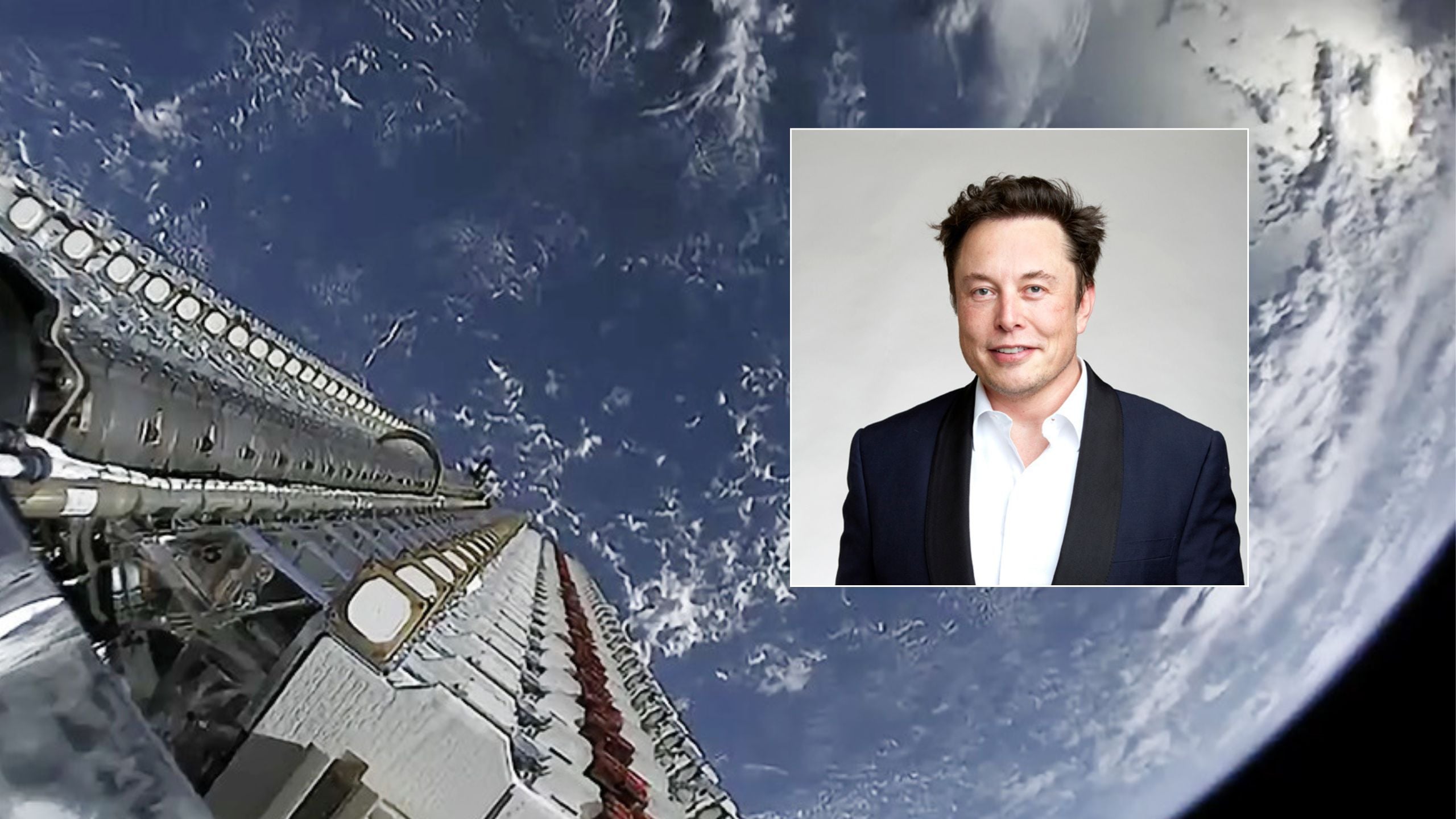
A NEW satellite-based broadband service has arrived in Gibraltar, promising reliable internet without the need for cables, phone lines or mobile masts.
Known as Starlink and developed by SpaceX, the company founded by controversial tech mogul Elon Musk, the system is designed to bring high-speed connectivity to areas where coverage has traditionally been limited or unreliable – particularly rural and remote locations.
Instead of relying on ground infrastructure, the service works through a vast network of satellites orbiting around 550 kilometres above Earth.
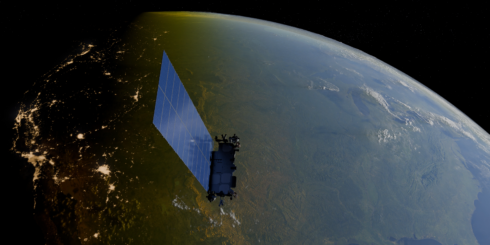
This is significantly closer than traditional satellite systems, which operate at distances of about 35,000 kilometres.
That difference in altitude plays a key role.
By orbiting much nearer to the planet, Starlink is able to reduce delay, resulting in faster and smoother connections.
This means streaming, video calls and even online gaming are possible without the interruptions often linked to older satellite services.
Speeds typically range between 50 and 220 Mbps, with delays as low as 20 to 30 milliseconds, putting it on par with many conventional broadband options, particularly in rural areas where fibre connections may not be available.
Getting connected is relatively straightforward. Customers order a kit that includes a compact satellite dish, a router and cables.
The dish automatically aligns itself to find the best signal, as long as it has a clear view of the sky.
Obstacles such as buildings or trees can affect performance, so positioning is important.
Once installed, the system is set up through an app and is ready to use within minutes.
READ MORE: Drones and taxis land in Benidorm: Spanish resort trials ‘game-changing’ technology
In Spain, the equipment costs around €450, with monthly fees generally between €40 and €50.
There are also options for those on the move, including motorhomes and boats, making it a flexible choice for people who travel or work remotely.
Thousands of satellites work together to keep the network running, even passing data between each other using laser links in space.
This helps maintain a fast and flexible connection across different regions and reduces reliance on ground stations.
Click here to read more Technology News from The Olive Press.