


A STUDY says the hidden costs of obesity will reach €130.7 billion this year in Spain- equivalent to 8% of GDP or half of the country’s state pension bill.
The conclusion has been reached by a group of health economic and health professionals as well as patients in a report coordinated by the Weber Foundation and the pharma company, Lilly.
Obesity studies related to expenditure have hitherto focused on direct costs of around €2 billion per annum.
READ MORE:
- Ozempic manufacturer facing backlash in Spain for ‘obesity can kill’ campaign
- Top Spanish chefs blame ‘lack of education’ for alarming obesity among Spain’s youngsters
- Spanish researchers discover a ‘fat burning’ mechanism to fight obesity
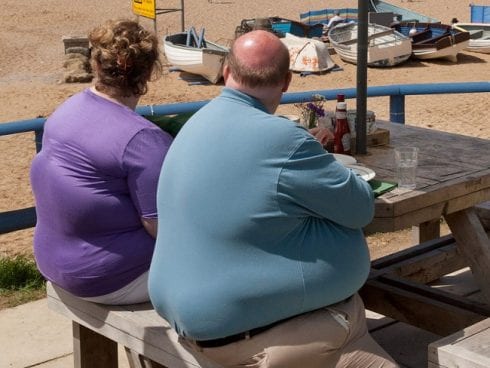
Nearly six out of ten people in Spain are overweight, but one in seven are classified as obese.
That is something that risks multiple physical and mental medical issues, disability, social limitations and reduced life expectancy.
The survey has sought to work out the socio-economic expenses annually caused by the 18 most common problems caused by being overweight.
Among the most frequently linked ailments are strokes, heart attacks, diabetes, hypertension, liver degradation, as well as anxiety, depression, asthma, chronic kidney disease, disturbed sleep or osteoarthritis.
Three out of four obese people have mobility issues and psychological problems among the group reach a staggering 96%.
The €130.7 million cost of obesity rises still further if overweight people are factored in, as that affects 55% of the population.
It’s calculated as reaching €292.3 billion- around 18% of Spain’s GDP.
The huge figure is down to the consequences of not taking action and also calculating what savings could be made to the public treasury and Spanish society if obesity became a health and social priority.
It suggests implementing a comprehensive plan to reduce obesity, with preventive and therapeutic strategies, which would automatically reduce the numbers suffering from the 18 major pathologies and their associated expenses.
Experts’ estimates are that implementing policies and strategies that would reduce the weight of obese Spaniards by between 5% and 10% would mean annual savings for the country and citizens of €20 billion.
That rises to over three times more at €68 billion(half of the estimated cost of the disease) if an average weight loss of between 20% and 25%. is achieved.
But the benefit would be even greater in the medium term, with the results of the same action plan being worked out by the year 2030.
They calculate that the savings with the most modest weight reduction would be €25 billion in that year and €84,000 billion if the most ambitious objective is reached.
The report authors say that €7.3 billion should be added annually as a sum that quantifies the improvements in the quality of life that obese Spaniards would achieve just by reaching the most modest goal.
That would come from their greater participation in activities that they do not currently take part in due to their excessive weight.
If the most ambitious goal were achieved, this additional savings in quality of life would be doubled.
Breaking down potential savings in the annual obesity bill, around €4 out of €10 would be banked due to a fall in the numbers and severity of suffering from cardiovascular pathologies and complications.
Around a quarter would be contributed by the reduction of metabolic diseases (such as diabetes) and the remaining third would be provided by the lower prevalence or intensity of psychological problems. respiratory and sleep disorders and movement-limiting ailments.
Click here to read more Health News from The Olive Press.