
Ex-Chronicle news editor Franciso Oliva muses on what can be divined from the pop culture references that cropped up sporadically during the hearings for the McGrail inquiry.
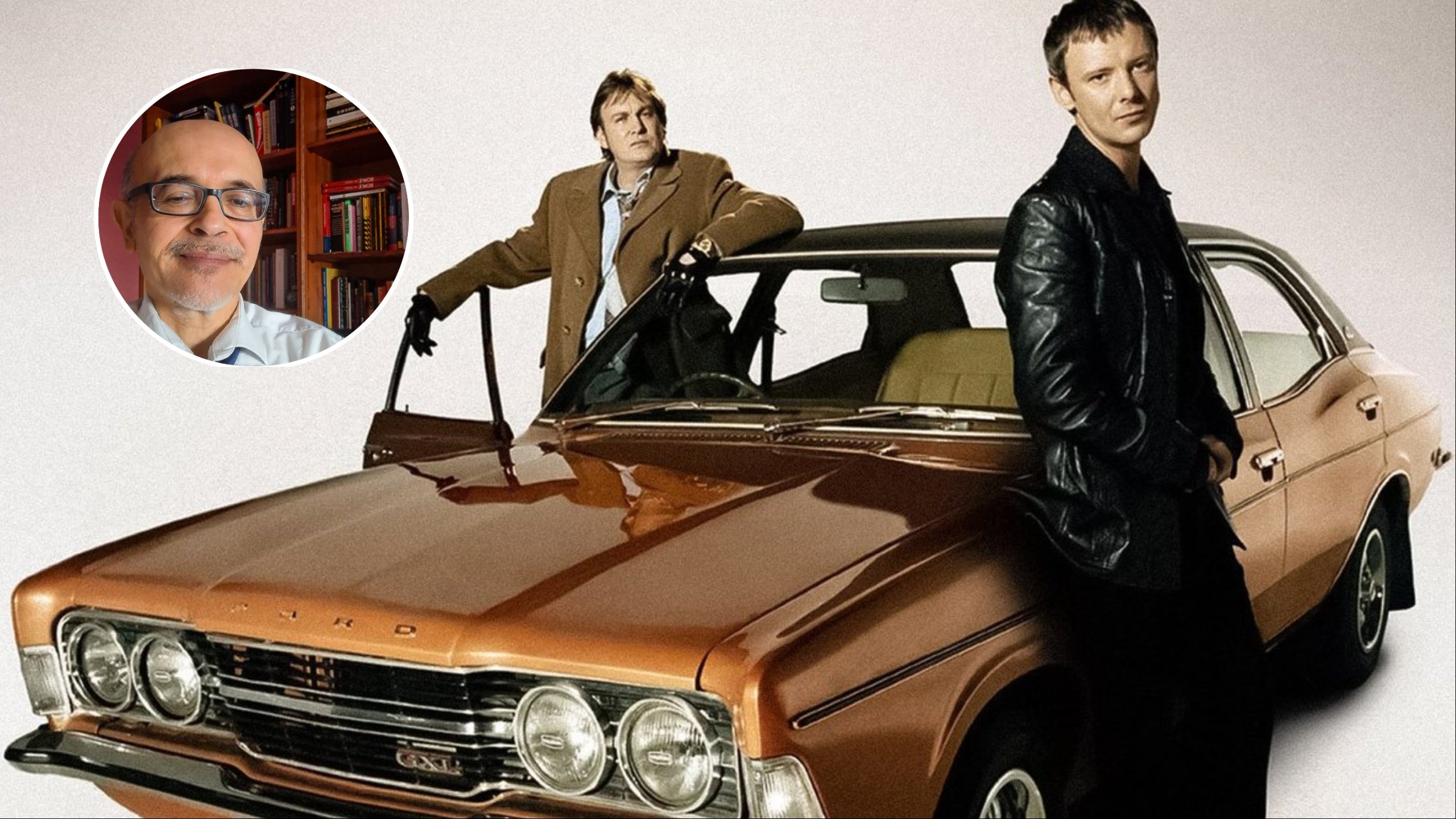
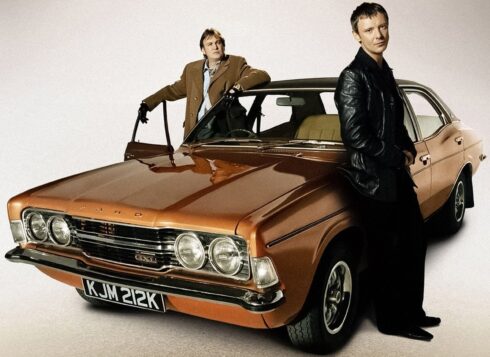
DURING the lengthy sessions of the McGrail tribunal there were several references to a revered groundbreaking, vintage TV crime drama The Sweeney, and to the post-modern and intertextual feature Life on Mars, always in relation to negative comments about the former RGP Commissioner Ian McGrail.
Surprisingly it was his own defence lawyer who characterised the two British series as being “TV shows involving corrupt coppers,” which completely misses the point of what they were all about.
He either has not seen them and was just speaking from hearsay, or if he has, it is clear that he did not get it, which is not surprising given his professional background as a pernickety, high-powered human rights lawyer.
READ MORE: The McGrail Report – Gibraltar’s path to reconciliation after five years of fracture, by F Oliva
In the same vein, former interim Governor Nick Pyle stated how he had heard senior MOD officials describing McGrail’s methods as a cross between the aforementioned programmes, during the famous or infamous, depending on where you are standing, runway incident when police drove a car in front of a plane to prevent take-off, and proceeded to arrest three military personnel who were on board.
Pyle too, of his own accord repeated the mantra of modernisation of the RGP, and criticised the supposedly old fashioned culture and leadership style of the previous incumbent.
But it is convenient to understand the nature of these films in much more depth, what they represented and particularly why they remain embedded in the collective memory of generations of British TV viewers after 50 years in the case of the former, and of much wider international repercussion through Netflix in the case of the latter.
In the first instance it is rather broad brush to lump them together as a basis to make any type of point, when they are very different conceptual creatures despite similarities that do not go much further than skin deep.
The Sweeney was a dramatization of the exploits of the legendary Scotland Yard ‘Flying Squad’, in filmic terms a hard-edged, gritty production contemporaneous of its time.
In contrast, Life on Mars, which self-references the unfathomable genius that was the Thin White Duke, is a sci-fi/police procedural hybrid where a Greater Manchester cop from the noughties suddenly finds himself transported 30 years back in time to 1973AD.
Steeped in nostalgia for a better time, it poses provocative and taxing questions about cultural identity and the nature of reality, while deconstructing when not obliterating normative storytelling tropes.
READ MORE: The McGrail Report – Toward a modernised model of policing for Gibraltar, writes F Oliva
THE SWEENEY
Ironically I first saw The Sweeney as 24 Horas al Dia on Spanish TVE, and enjoyed it so much – I must have been about 14 – it was impossible to imagine there was scope to love it even more, which I did later on upon discovering the original version, where every piece of the jigsaw puzzle fitted perfectly: the language, the accents, the tough cops and the egregious villains, learning too that the name derives from the cockney rhyming slang Flying Squad/Sweeney Todd.
Then in the 1980’s by actual immersion into the desolate urban landscapes – the authentic film locations – of a London, still Dazed and Confused from the hangover of Swinging Sixties euphoria.
The Sweeney is a product of the mid 1970s when Detective Inspector Regan, his loyal sidekick sergeant Carter, and their boss DCI Haskins, tackled the dangerous London underworld with a firm hand, entertaining no nonsense from a nasty array of armed robbers, blaggers, gangsters, psychotic thugs and murderers – recollections of the Kray Twins’ ‘reign of terror’ were still fresh in the capital – while protecting the public and putting the bad guys away.
It was the catechism of the law enforcement officer of the day, bending the rules if necessary to collar miscreants of every description.
It was a fictional representation of the police culture and styles of the day, that the progressive establishment find so objectionable.
From the opening bars of the unforgettable soundtrack by the excellent Harry South orchestra, you knew you were in for something very special.
READ MORE: The McGrail report – Making sense of what we saw in ‘Gibraltar confidential’, writes F Oliva
LIFE ON MARS
For its part Life on Mars is open to interpretation but the juxtaposition of the archetypal, impulsive, tough cop with little regard for the rule book personified by DCI Gene Hunt, and his time-travelling antithesis from the future, the modern, cautious officer Sam Tyler, drives the central storyline forward, creating notable dramatic tension and conflict between the two.
While Tyler abides by an ethical code of conduct, and is a stickler for rules and regulations, Hunt is quite capable of bending or breaking them, not for any personal financial gain or benefit but to uphold law and order. It is a key difference.
He is guided by wholesome traditional policing values, and his overriding concern above all others is also to protect society by putting the bad guys away; a shared nexus in both, an attitude sadly falling into disuse.
Beneath Hunt’s style and demeanour that some find so abhorrent, a solid, stubborn commitment to his badge and what it represents shines through.
By the end of the film, it is clear as with The Sweeney, that the idea of “a TV show involving corrupt cops,” is entirely superficial.
Tyler acts as Hunt’s foil and counterbalance, and as episodes unfold they are able to see positives in each other.
The conclusion is that a superior policing model results from the synthesis of Hunt and Tyler; the balance between instinct, decency and forceful methodology, tempered by a set of rules that moderate extra-judicial excesses without suffocating police efficiency in the repression of crime.
In any event in both TV shows, Regan and Hunt respectively, personify positive policing values which clearly demarcate the good and the bad, not blurred or distorted by non-policing considerations and the need to tick ideological boxes which have very little to do with what citizens expect from their police.
In fact the public are sick and tired at how modernisation has turned cops into counsellors, diplomats and social workers behind computer screens, and quite appreciate the men of action in the frontline against crime.
THE TROUBLE WITH …
Another interesting reference to popular culture was the enigmatically named company 36 North, the now defunct digital firm at the centre of the cloak and dagger sabotage and hacking allegations into the NCIS national security platform, operated by Blands.
It is gloriously, evocatively Hitchcockian – probably, disappointingly, unintendedly so – and for a noir addict an intriguing invitation to ponder on what the Master of Suspense could have done with such quality subject matter, perhaps another Shadow of a Doubt, Marnie or The Trouble With …James? Bring on the misanthropy.
Hitchcock was notorious himself for the manner in which he developed a consummate talent for manipulating audiences.
His false plot trails are now the stuff of cinematic legend. In respect of the McGrail inquiry we should be wary not to be thrown off the scent of what really matters.
Readers can draw their own conclusions as to where the McGuffin lies.
Click here to read more Gibraltar News from The Olive Press.