
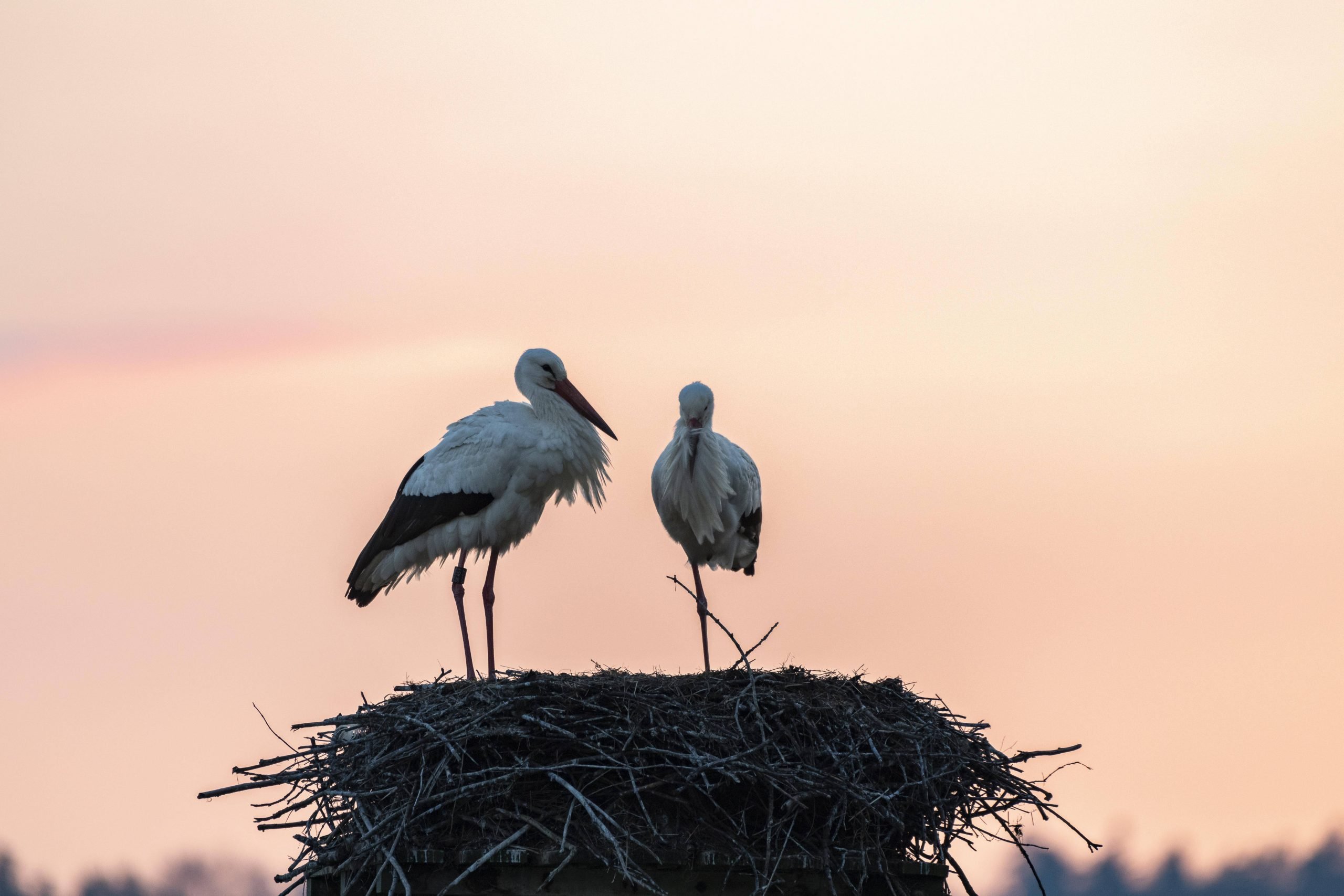
POPULATIONS of the the iconic stork – the much-loved wild bird native to north and central Spain – are being devastated by a rapidly-mutating bird flu virus.
Storks are part of the Spanish skyline. Readers familiar with Madrid, Ávila or Burgos will recall the huge, untidy nests that these superb birds build on every urban high point, including cathedrals.
The grim news is that more than 400 bird corpses were found last week, floating in the Manzanares river.
Carcasses in varying states of decomposition were taken to laboratories for analysis.
Confirmation has been issued by Spain’s Department of Environment & Agriculture: the cause of these deaths was avian flu.
The only good news so far is that this strain of bird flu is the less virulent one, which is why no drastic measures have been announced.
However, the Madrid government is taking the presence of the virus seriously.
Farmers in central Spain have been told to keep ducks and geese away from other poultry, and for all poultry farming to be conducted indoors.
Visits to bird farms are now limited to professionals, such as vets.

A major concern for the Madrid authorities is water contamination. The dead storks (‘cigüeñas’ in Spanish) were found lying in the city’s principal river, the Manzanares.
At the moment the virus H5N1 (bird flu) does not spread via water, and it is hoped to keep it that way.
The Spanish government is at pains to point out that there is currently no risk to humans, and poultry products remain safe to eat.
Click here to read more News from The Olive Press.