
MILLIONS claim to follow the famous Mediterranean diet – but experts say most people in Spain don’t actually eat it anymore.
Celebrated worldwide as one of the healthiest ways to eat, the Mediterranean diet is built on simple ingredients, traditional cooking and habits that have shaped life around the Mediterranean for generations.
The Mediterranean diet is based on the traditional eating patterns of countries such as Spain, Italy and Greece, where meals have historically centred on fresh, seasonal produce and home-cooked dishes.
At the heart of the diet is extra virgin olive oil, used daily for cooking, dressing salads and flavouring meals.
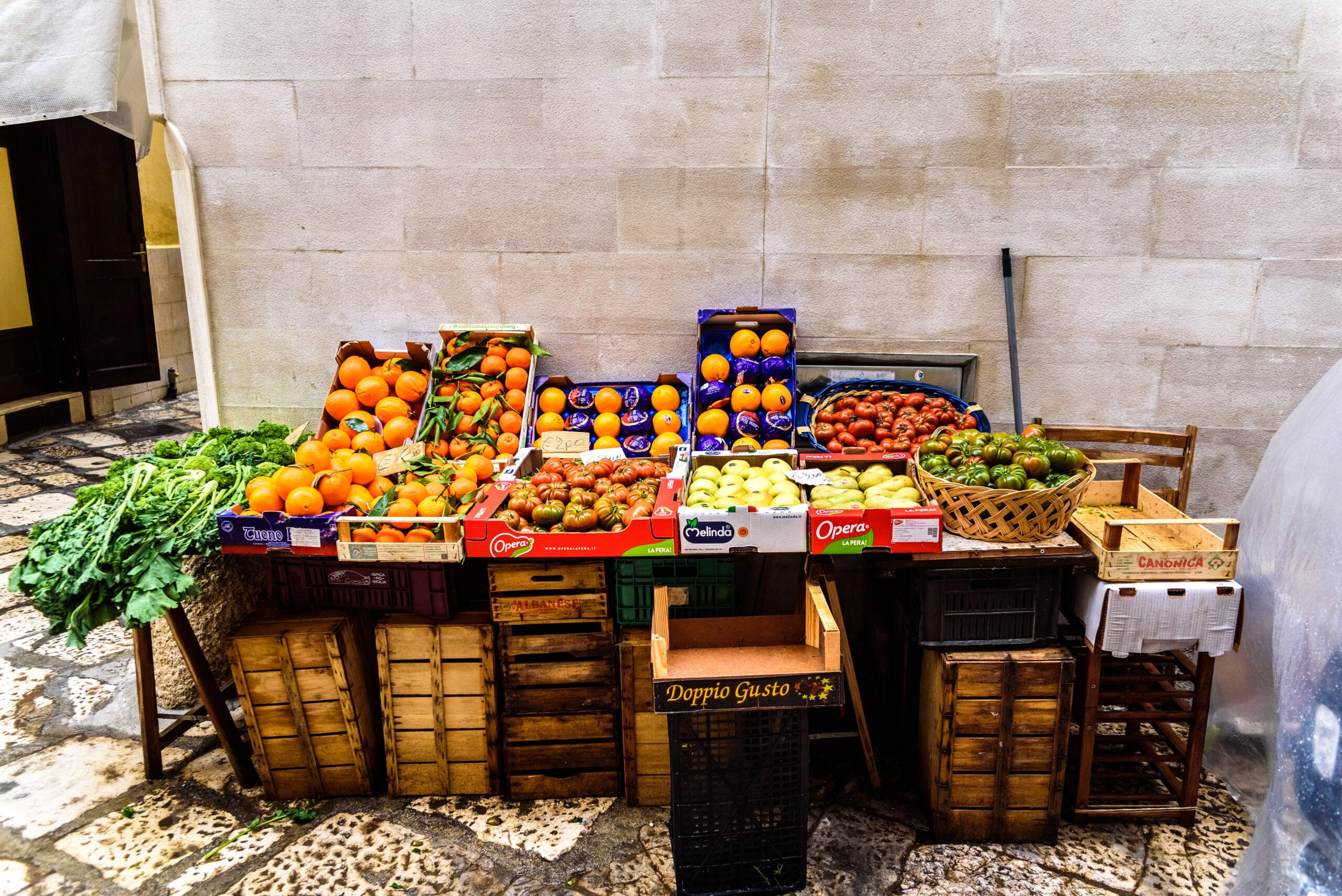
Fruit and vegetables also play a major role, with recommendations typically including two portions of vegetables and around three pieces of fruit per day, with fresh fruit often served as dessert.
Whole grains, legumes and nuts form another key pillar of the diet, providing fibre and plant-based protein.
Fish, poultry and pulses are eaten regularly throughout the week, while red and processed meats are kept to a minimum.
READ MORE: New study from Spain finds the Mediterranean diet reduces cancer risks associated with obesity

A traditional Mediterranean kitchen also relies heavily on sofrito, a slow-cooked mix of tomato, onion and garlic in olive oil that forms the base of many dishes.
To measure how closely someone follows these habits, researchers developed the MEDAS index, a 14-point questionnaire that evaluates adherence to the Mediterranean diet.
The test considers factors such as olive oil use, the number of fruit and vegetable servings eaten daily, weekly consumption of fish, legumes and nuts, and whether processed foods and butter are limited.
A higher score suggests stronger adherence to the Mediterranean diet, which studies have consistently linked to better heart health and lower long-term mortality.
Nutrition experts often point out that the traditional Mediterranean diet is not necessarily what many people eat in Spain today.
Instead, it more closely reflects the everyday meals of the 1950s and 1960s, when diets were largely based on vegetables, pulses, bread, olive oil and small amounts of meat.
Many modern staples including sugary breakfast cereals, refined white bread and heavily processed foods fall outside the traditional Mediterranean pattern.
Readers curious about how closely their own diet matches the Mediterranean lifestyle can calculate their score using the 14-point MEDAS test.
Click here to read more Spain News from The Olive Press.