A TEAM of Spanish architects are among the finalists of the prestigious EU Mies Awards this year.
The group from H Arquitectes, in Catalunya, are among the seven finalists of the 2026 EU Mies Awards.
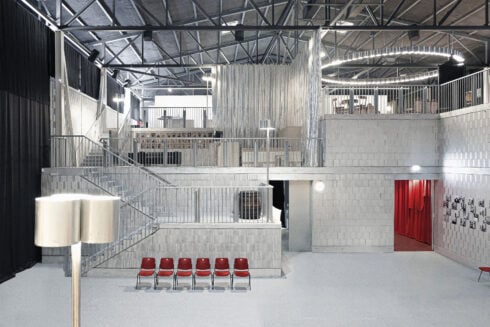
Their amazing project, the Rehabilitation of Vapor Cortes, transformed a series of historic industrial buildings in Terrassa.
The partners helped to convert the former textile factory into the headquarters of the company Prodis.
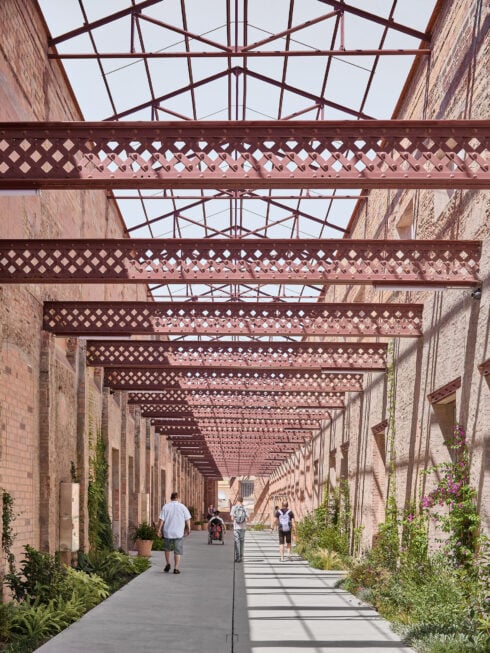
Called Prodis 1923 after the year the factory was constructed, the project preserves the original structure of the building.
The main features include a central street reopened as a public passage between the two main buildings, which organizes circulation and activities.
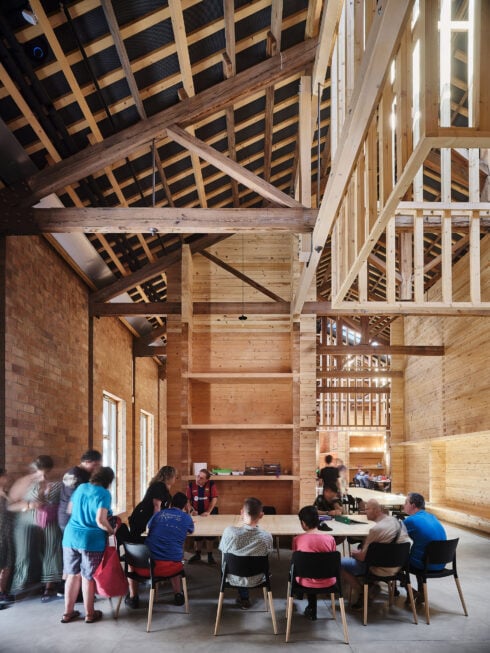
Original wooden trusses are kept, with new beams added to strengthen the structure.
This creates layered spaces, cozy corners, and central skylights that bring light and character to the expansive interiors.
READ MORE: Award-winning museum displaying the very best of Spanish architecture opens door for new art season
The EU Mies Awards recognize the best architecture in Europe and had already shortlisted the 40 best buildings around the continent built over the last year.
A total of seven Spanish architects were on the list, only beaten by the nine from France.
Prodis is a non-profit organization that supports people with intellectual disabilities.
The other finalists included:
Charleroi Palais des Expositions – AgwA (Charleroi, Belgium)
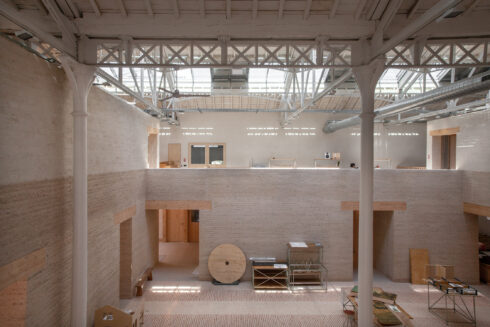
This is a careful renovation of a large, existing exhibition complex.
Instead of demolishing and rebuilding, the architects chose to work with the original structure, preserving its scale and character while adapting it for modern use.
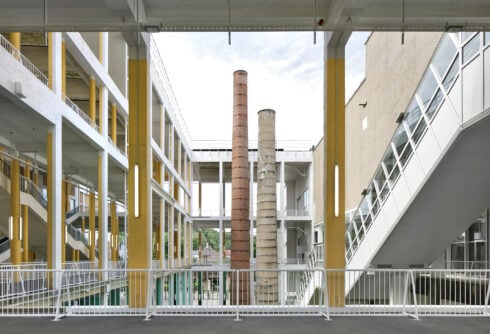
Lot 8, LUMA Arles – ASSEMBLE (Arles, France)
This 19th-century train depot has been transformed into a design and research centre focused on sustainable building.
Rather than starting from scratch, the project reuses the existing structure, upgrading its stone walls and steel frame while adapting it for new uses.
READ MORE: Costa Blanca North: Where your Mediterranean life begins
Marie-Jose Perec Sports and Cultural Centre – Onze04 (La Bouëxière, France)
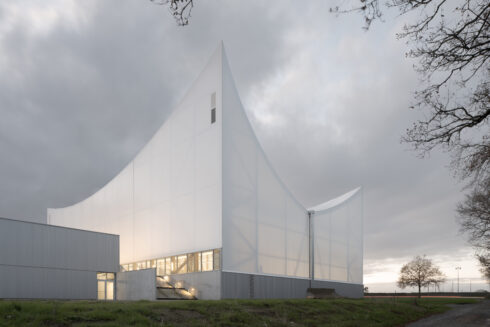
This cultural and sports centre brings together a range of local facilities into one connected hub.
The project is organised into two main volumes, separating heated indoor spaces from a larger unheated sports hall.
At night, the building glows like a lantern, becoming a landmark for the area.
Gruž Market – ARP / Pera?i?-Velja?i? (Dubrovnik, Croatia)
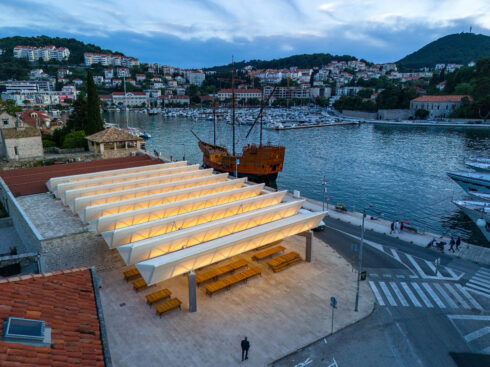
This project brings new life to a historic site by combining heritage restoration with a contemporary structure.
At the centre of the design is a lightweight, adjustable canopy that floats above the square.
Made from steel beams and translucent fabric, it can open and close depending on the weather.
READ MORE: Spain’s richest man becomes the world’s number one landlord with €21bn real estate empire
Cultural Centre Le Foirail – Betillon & Freyermuth (Laguiole, France)
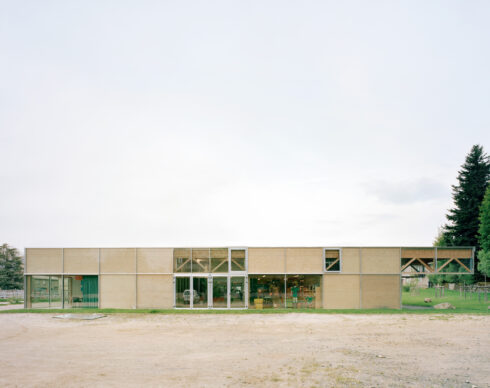
This multi-purpose hall is a flexible public building designed to serve a rural community.
It brings together a range of uses, including a music school, library, nursery and offices, creating a shared space for culture and everyday life.
Slovenian National Theatre – Vidic Grohar Arhitekti (Ljubljana, Slovenia)
The project reuses existing structures to provide a low-cost, flexible cultural space.
It was built because the historic theatre building is under renovation.
Because of a tight budget and timeframe, simple and quick interventions were essential for this project.
Click here to read more Property News from The Olive Press.