
CALLS are growing for a new railway linking Algeciras with Cadiz and Jerez, as business leaders, transport experts and local campaign groups continue to push for better connections across the province.
The proposed railway would connect the Bay of Algeciras with the Bay of Cadiz, creating a direct route for both passengers and freight while improving links to the Port of Algeciras, Spain’s busiest port.
For years, the Campo de Gibraltar has complained about poor rail infrastructure, stating the current Algeciras-Bobadilla line is outdated and too slow.
Built in the 19th century, it passes through the mountains near Ronda and still causes long journey times for both people and goods travelling to and from the Port of Algeciras.
Furthermore, it remains the area’s only rail connection with the rest of Spain.
The idea of a new rail connection is not new. Technical studies dating back to 1999 have repeatedly supported the idea of a new railway between Algeciras and Cadiz province.
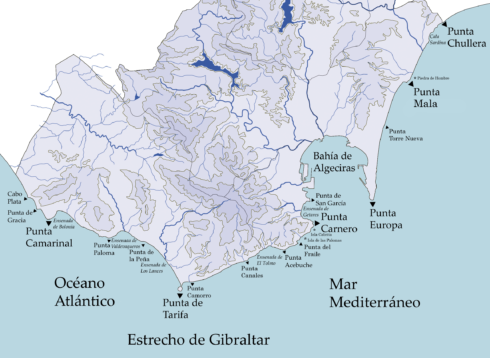
Several possible routes were examined, including options through Medina Sidonia, Tarifa and Los Alcornocales Natural Park.
READ MORE: Budget airline Jet2 unveils new routes connecting UK to ancient ‘hidden gem’ city in northern Spain

Despite this, the project has still not moved forward more than 25 years later and there are no clear indications that it will in the short term.
Now, the debate has returned to public attention during campaigning ahead of the Andalusian elections on May 17, with several political parties backing plans for major rail investment in the Campo de Gibraltar.
A recent report prepared for the Spanish Transport Association (AET) described the region as suffering from ‘historical railway isolation’ and argued that the planned improvements to the Bobadilla route alone would not solve the problem.
The report proposed a modern mixed-traffic railway linking Algeciras with San Fernando and Jerez, designed for both passenger services and heavy freight trains.

Supporters say the line would improve connections for almost one million residents, reduce pressure on busy roads such as the A-7 and N-340, and strengthen links with the rest of Spain.
The project is also seen as an important step towards a future fixed connection between Spain and Morocco across the Strait of Gibraltar, although that plan remains a long-term ambition.
Local business groups argue that the main obstacle is now political rather than technical, accusing successive governments of failing to prioritise the region’s transport needs.
Click here to read more Travel News from The Olive Press.