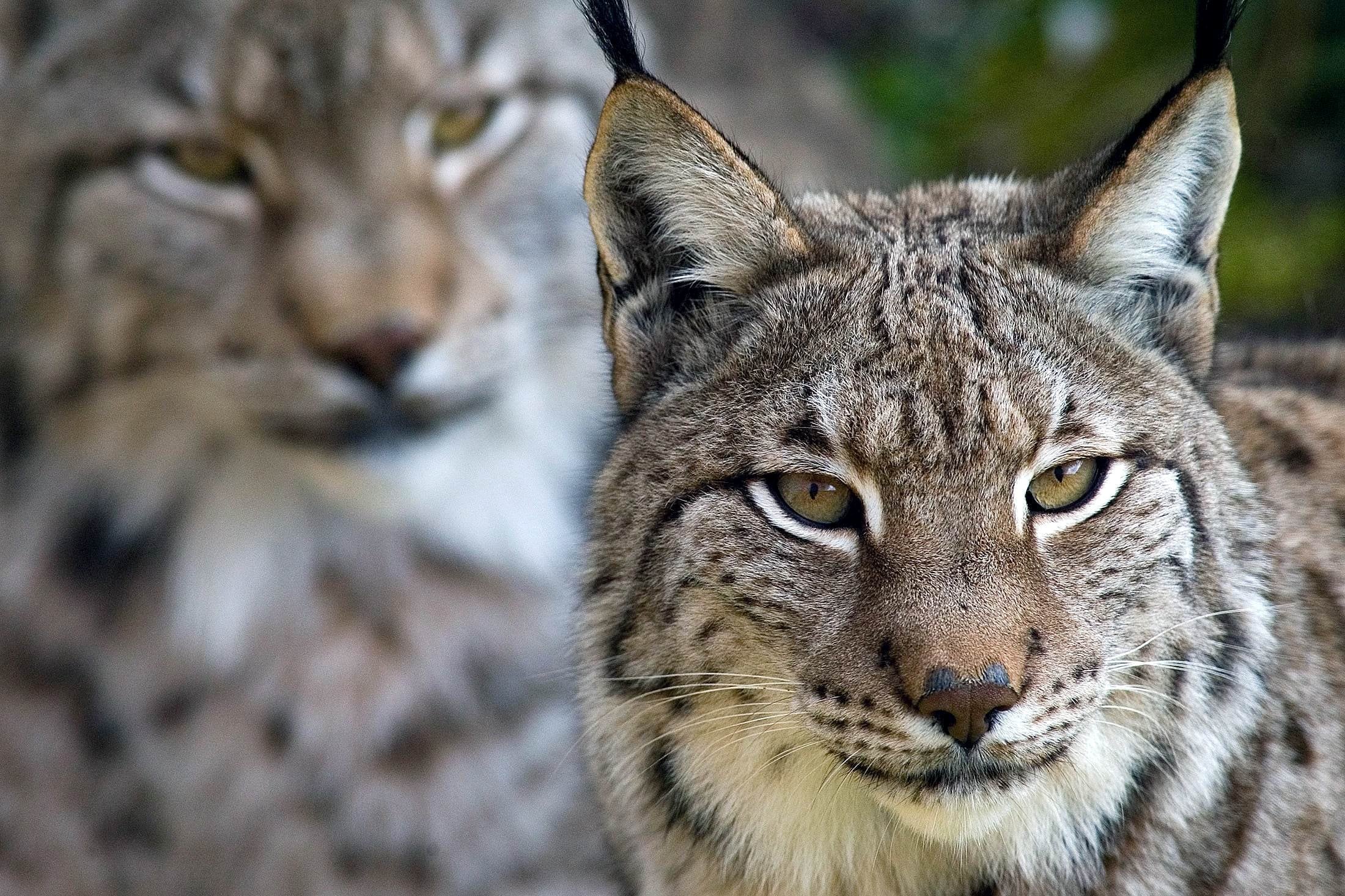
ANGRY environmentalists have spoken out after an unlicensed hunter was fined an ‘insufficient’ amount over his killing of a protected female lynx in central Spain.
WWF Spain said the hunter should have faced three years in prison, a five-year hunting ban, and a €270,000 fine after shooting lynx Nenufar in Menansalbas, Toledo, in 2019.
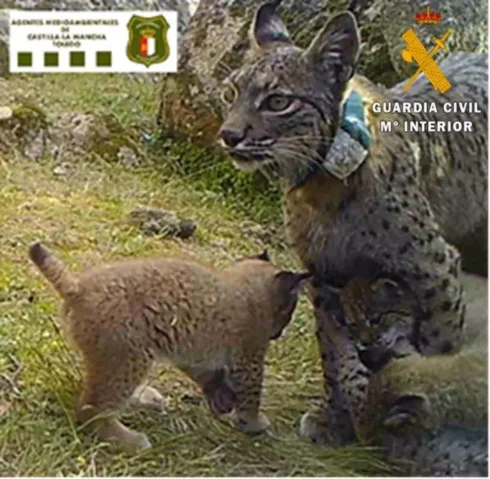
The killing orphaned Nenufar’s four cubs, one of which was later found dead, while the others are presumed dead after disappearing following their mother’s death.
READ MORE: Massive pollen waves set to sweep across Andalucia in ‘perfect storm’ for allergy sufferers
Toledo’s criminal court fined the man a monthly €1,440 for a period of four months and barred him from hunting for three years, also mandating the Castilla-La Mancha regional government to pay €100,800 in civil liability.
But environmentalists argue the sentence is far too lenient. Conservation group SEO/Birdlife called for a €180,000 fine, while the regional administration proposed an amount of up to €500,000.
WWF Spain, which joined the case as a public prosecutor, condemned the killing as a ‘serious crime against wildlife’ and insisted the fine was ‘insufficient,’ pointing out that the Iberian lynx was classified as endangered at the time.
“The shootings, illegal traps, and poison continue to affect lynxes, and after vehicle collisions, they represent the second leading cause of unnatural mortality for the species,” a WWF spokesperson said.
“Crimes against wildlife are devastating for biodiversity, especially when they affect threatened species, as in this case. Unfortunately, there is widespread impunity for offenders, particularly in cases of illegal hunting. Moreover, the sentences are not always sufficiently deterrent.”
The case comes shortly after the Iberian lynx was effectively brought back from the brink of extinction thanks to persistent conservation efforts by the Spanish government.
The species’ numbers had crashed to fewer than 100 individuals in the early 2000s, making it the world’s most critically endangered cat at the time.
But after nationwide conservation programmes, including habitat restoration and captive breeding, the population shot up to around 3,000 individuals in 2025, according to the latest data.
Experts caution, however, that Iberian lynxes remain protected and conservation efforts must continue to ensure the species eventually escapes endangerment.
The hunter conceded he was hunting foxes in the Menansalbas nature reserve when Nenufar was killed – but never admitted to shooting the lynx.
In his first statement, he said he may have mistakenly shot an animal he believed was a fox; later, he denied any mistake, insisting he had shot a fox.
Investigators, however, found no remains of a fox, and the ammunition recovered from the lynx matched what the accused had been using, according to WWF Spain.
Click here to read more Green News from The Olive Press.