A NEW model aimed at rejuvenating forests and preventing fires through better care of local landscapes has launched in Spain.
WWF España’s Rural Labscape initiative is restoring abandoned areas in Vall de Almonacid to create resilient spaces suited to Mediterranean conditions.
Wildfires across Spain have ‘profoundly transformed’ the landscape – areas once filled with long grass, healthy olive groves and tall trees are now dominated by ‘dense and homogenous forest masses that reduce biodiversity and increase future fire risks’, says Diana Colomina, who heads the forest programme at WWF España.
READ MORE: WATCH: Amateur wildlife photographer captures first-ever images of white Iberian Lynx in Spain
Rural areas have long been neglected, meaning that as they age, wildlife and plant species decline and cultural and natural heritage is lost.
Vall de Almonacid in Castellon province in Valencia, was one such abandoned area. Once a thriving outdoor space, it had become a risk to both wildlife and residents. That was until Rural Labscape intervened.
Combining citizen participation with new economic opportunities and ecological restoration, the initiative aims to support Mediterranean territories facing crop abandonment, fire risk and the decline of traditional land use.
Crucially, the project looks at the wider landscape rather than isolated plots, because, as Colomina notes, ‘environmental, social and economic problems cannot be resolved by acting only in isolated areas’.
Restoring entire landscapes creates blended mosaics that boost biodiversity and increase a terrain’s natural fire resistance. This integrated approach also ‘allows natural spaces to connect with agricultural areas’, reactivating traditional activities and creating new local opportunities.
READ MORE: Marbella goes green: Four new air monitors set up in Low Emission Zone
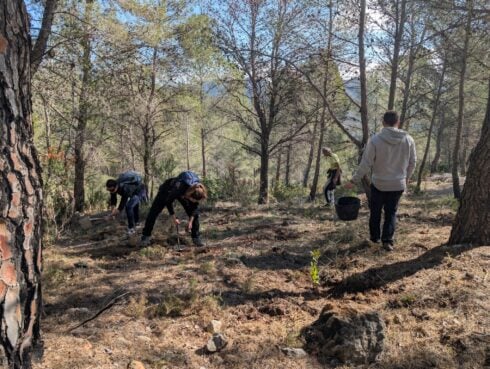
Chosen because it typifies vulnerable Mediterranean rural areas at risk of fire and degradation, Vall de Almonacid has become the first location to undergo this transformation.
The initiative has seen the area cleared of debris and restored into a space where multiple species can thrive. Lavandin, lemon balm and stevia were among the plants introduced – all hardy, low-water species well suited to Mediterranean climates and compatible with local biodiversity.
A botanical garden, designed with the Escuela Taller de Jardineria in the municipality, has transformed another section of the landscape. The high-value species planted here are expected to create new bioeconomic opportunities.
The garden not only shows how a thriving rural landscape can boost a local economy, but also how Rural Labscape actively involves the community.
“The local community is the heart of this project and is present in all phases,” Colomina told the Olive Press, praising residents who have contributed ideas and hands-on work.
READ MORE: Greenhouse gases generated by Spain’s power sector fell by 16.8% in 2024
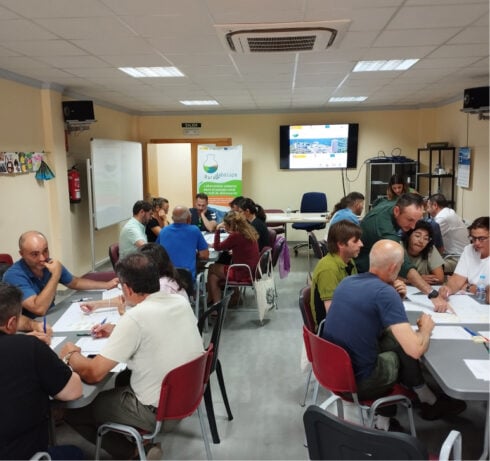
While participation is already strong, the team stresses that ‘the transformation of the landscape will only be sustainable if it also transforms the way people relate to it’.
A ‘very large educational programme’ now connects the Living Lab with students from universities and schools. More than 500 students have taken part, helping forge a connection between young people and their environment.
The team itself is diverse – 40% of the 38 participants are women. Applicants were selected through ‘a social media process’, with an interdisciplinary team ensuring ‘the lab represents all voices linked to the theme in the municipality’.
Local authorities have supported the project by offering space for the lab and taking part in decision-making, helping build a model that can be replicated across the Mediterranean.
Through this project, WWF España has helped Vall de Almonacid recover its ecological structure and function, making it more resilient in the face of climate change.
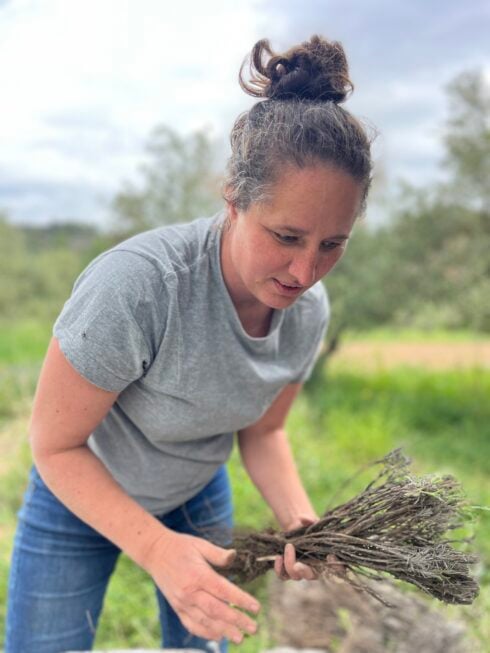
A Banco de Tierras or landbank now exists for anyone interested in cultivating or restoring abandoned land. This means people who want to help can be directed to areas where they can be the most help.
Colomina stresses that ‘any person can get involved’, whether through volunteering or proposing new initiatives in the collaborative space.
Learn more about the project or get involved here.
Click here to read more Green News from The Olive Press.