
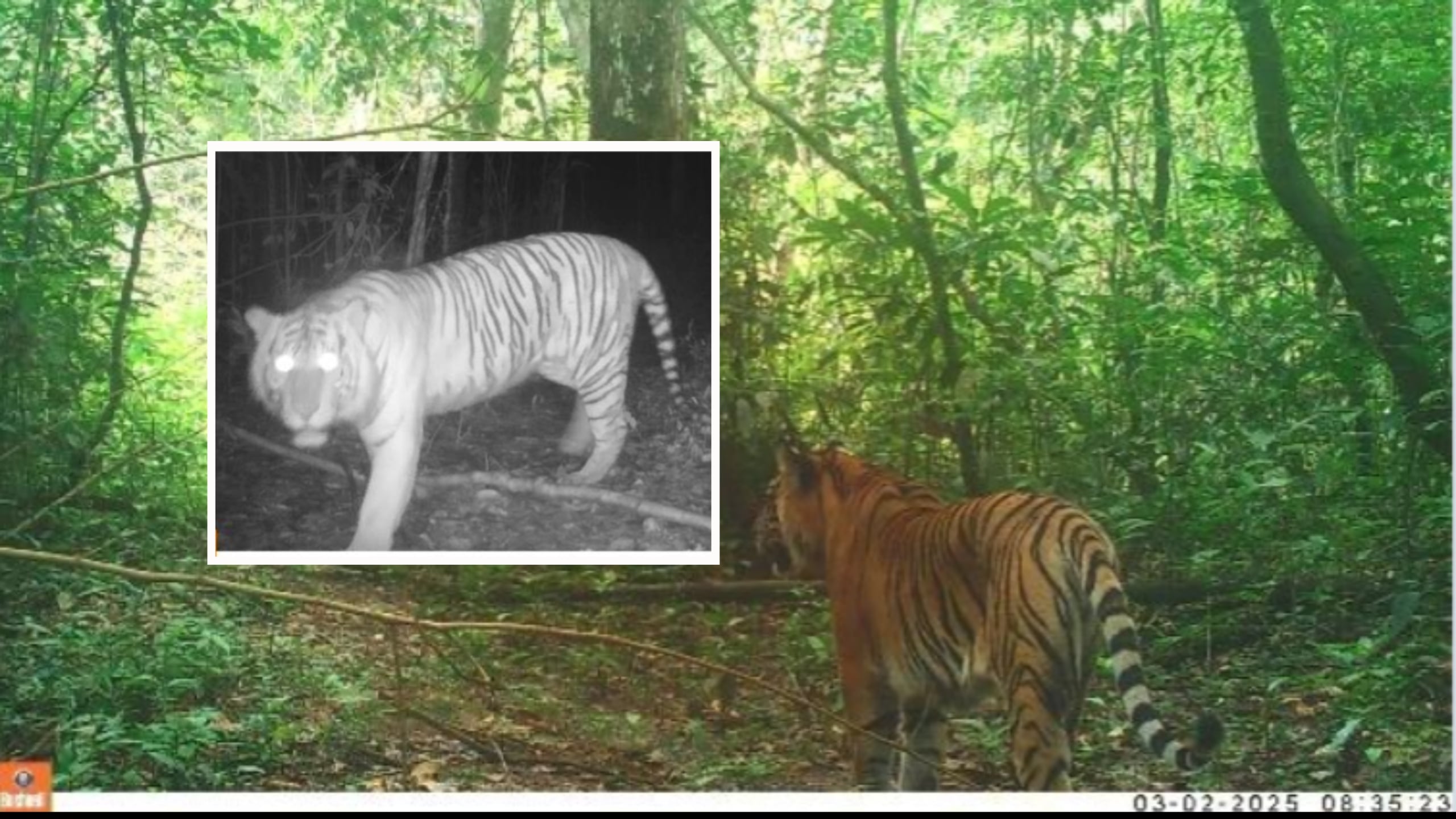
BIOPARC Fuengirola is playing a key role in the fight to save one of the planet’s most endangered animals: the Sumatran tiger.
Good news emerging from the dense jungles of Indonesia has a direct link to the Costa del Sol, offering hope to one of the most endangered species.
The International Union for Conservation of Nature classifies the Sumatran tiger as ‘critically endangered,’ with fewer than 400 individuals believed to remain in the wild.
Some may be surprised to learn that two of these rare big cats are Spanish residents, living together at BIOPARC Fuengirola.
As the park celebrates its 25th anniversary, its core mission remains unchanged. To provide conservation, education and global awareness.
READ MORE: Step inside Toledo’s hidden convents and chapels this weekend as historic city opens its ‘closed’ doors for free
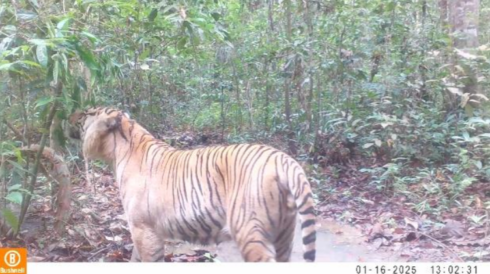
That mission is reflected in a new report supported by the park’s foundation, which highlights encouraging developments in Indonesia’s Way Kambas National Park.
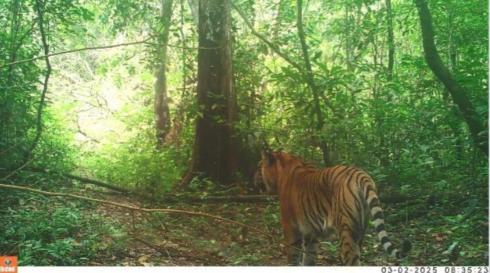
Conservation teams have confirmed the presence of at least seven individual Sumatran tigers, along with evidence of breeding.
The new wildlife observation is an important sign that the fragile species is still fighting for survival.
Such progress doesn’t come easily. Rangers trek hundreds of kilometres through dense jungle to remove deadly illegal traps and monitor tiger movements.
READ MORE: Danish firm backs Olive Press ‘Smash the Spiking’ campaign with innovative new glass lids to put on drinks during nights out
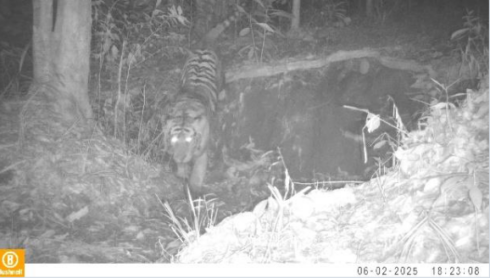
In their most recent press release, BIOPARC Foundation stated that their team covered over 48,000 hectares in their effort to manage 12 protection patrols.
Currently, threats like poaching, deforestation and animal-human interaction continue to push species to the brink of extinction.
Yet conservation does not stop in the rainforest.
It also depends on creating awareness, which is something BIOPARC Fuengirola has made central to its work.
READ MORE: Family living in Madrid left homeless after city council ‘mistakenly knocks down house it believed was lying empty’
Through initiatives like international conservation funding and its “Origin” photography competition, the park aims to connect people with biodiversity loss and inspire action.
This year’s photograph contest will run from April 9 to May 31.
The park combines ‘ex situ’ efforts on-site with ‘in situ’ projects in animals’ native habitats through their foundation, to ensure protection in and out of the wild.
Tailored diets and expert veterinary care complete the park’s strict welfare standards.
READ MORE: Delight as two peregrine falcon chicks hatch on top of Barcelona’s iconic Sagrada Familia
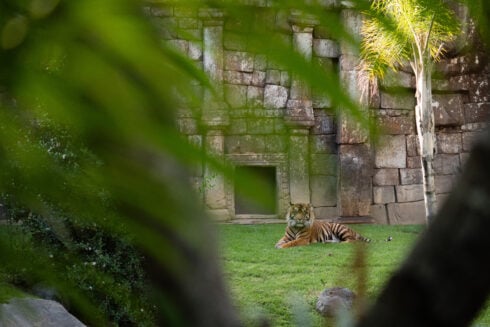
To promote natural behaviours of the animals, BIOPARC carefully designs each habitat area to place each animal’s wellbeing at the centre of importance.
The resident pair of Sumatran tigers serve as BIOPARC ambassadors for that effort by helping visitors understand what’s at stake thousands of miles away.
Despite the power of these felines, they are considered solitary and elusive animals.
READ MORE: Divers scouring the sea off the coast of southern Spain discover 34 underwater wreckages – including remains of boat from 5th century BC

Sumatran tigers have dark coats with narrow black stripes to act as natural camouflage, which allows them to stalk their prey before ambushing it.
Unlike many big cats, these tigers are strong swimmers and unafraid of water.
Sumatran tigers are the smallest of the surviving tiger subspecies, but the darkest due to adapting to their environment.
BIOPARC has three locations in Fuengirola, Valencia, and Gijon.
When you book a day or annual pass to any of their parks, funds are allocated into the BIOPARC Foundation projects.
Click here to read more Spain News from The Olive Press.