SEMANA Santa, Spain’s holy week, is an incredible celebration of pagentry and ancient tradition rarely seen around the world these days.
The seven-day extravaganza transforms Spain’s streets into living processions to highlight its most religious traditions.
If you’ve recently arrived in Spain, this famous week may catch you off guard. A quiet street suddenly fills with the sounds of drums.
Candles flicker as a line of people emerge from a church doorway and move slowly through the night.
For many expats and visitors, it becomes one of the most memorable cultural experiences the country has to offer.
Rather than colourful egg hunts and chocolate treats, Spain’s Holy Week is a sacred commemoration of the death and resurrection of Jesus Christ.
READ MORE: IN PICS: The full revelries from the Costa del Sol’s biggest St Patrick’s Day parade and party
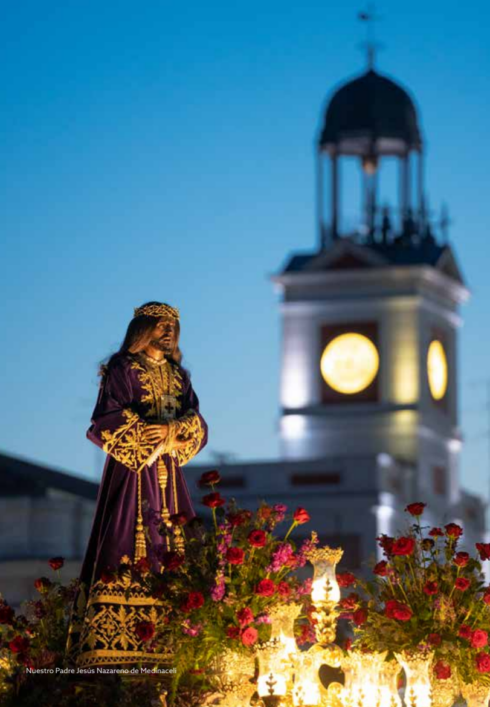
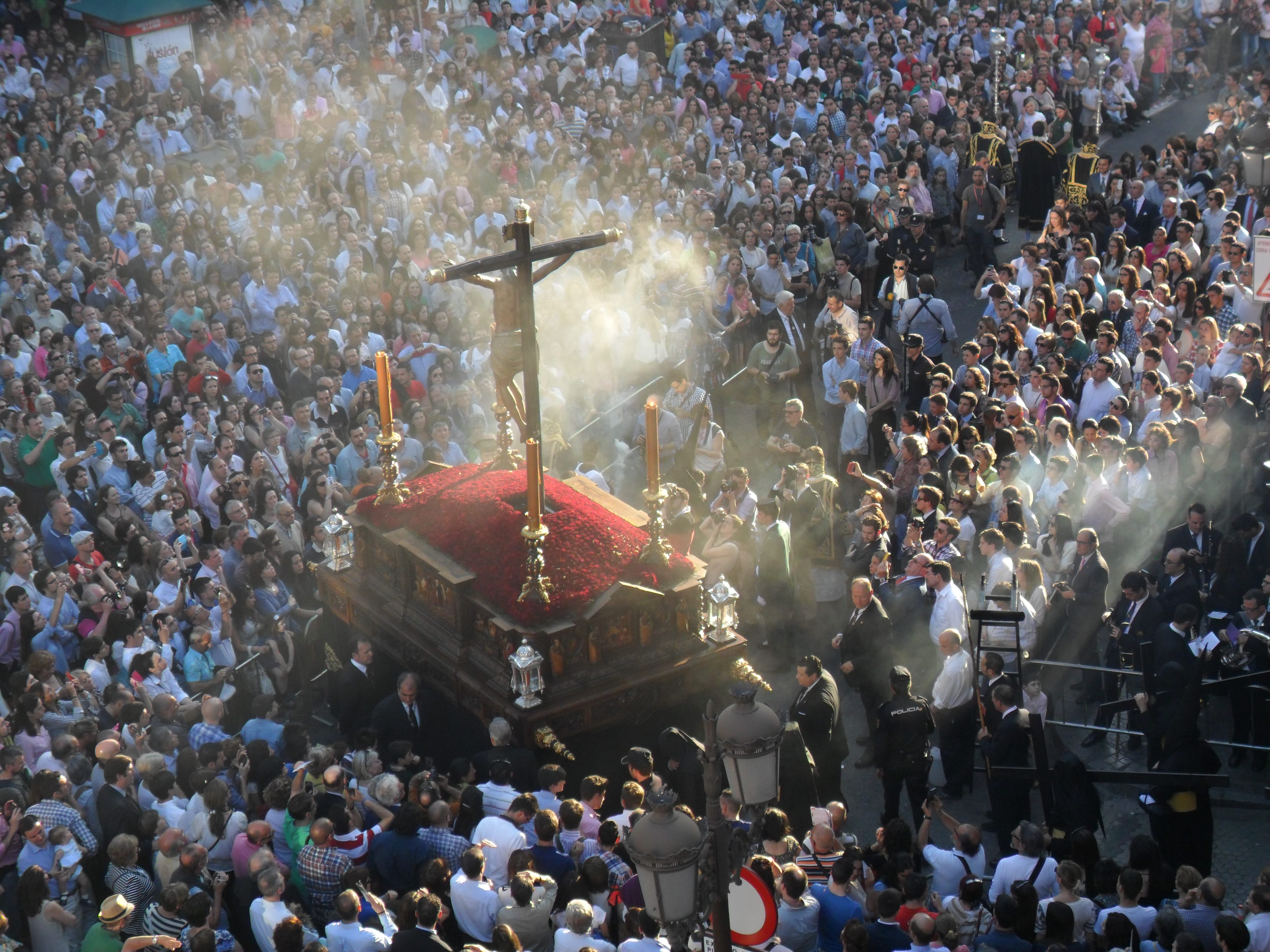
Across the country, streets transform into candlelit marching routes as religious brotherhoods gather for a centuries-old tradition: the Semana Santa processions.
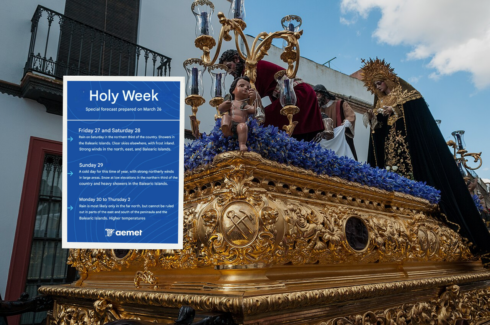
Members of religious guilds, known as cofradias or hermandades, spend months preparing elaborate floats that depict scenes from the final days of Christ.
Sculptures adorned with flowers, candles and embroidered fabrics are slowly carried through historic streets.
One of the most shocking sights during these parades are the men donned in white robes and tall, pointed hoods – no, not those kinds.
READ MORE: Family worried sick over missing American who vanished on night out to Barcelona nightclub
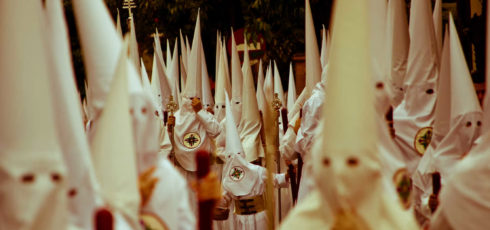
Known as Nazarenos, they are members of the Catholic brotherhood who walk in silence to repent their sins.
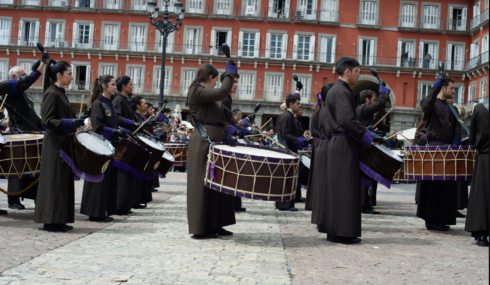
Behind them come marching bands to liven up the mood, with drums and bass echoing through city centres late into the night.
Yet Semana Santa is more than just a spectacle. It’s an honorary religious celebration, filled with both ceremony and excitement.
Every region of Spain marks Semana Santa in its own way. Some celebrations stretch across the entire week rather than just Easter Sunday.
READ MORE: Madrid boasts the highest life expectancy of any region in Europe – residents of Spain’s capital now live well into their 80s
Visitors and expats get a rare glimpse into Spain’s religious traditions during the springtime holiday – not staged for tourists, but carried forward with unwavering devotion year after year by communities and the Catholic brotherhoods.
ANDALUCIA
In Southern Spain, the holiday reaches its most dramatic expression.
Malaga’s floats are particularly impressive.
Locals call them tronos, which are massive structures that can weigh up to several tonnes.
READ MORE: British couple arrested for Mallorca attempted kidnapping were previously detained in February for an identical crime
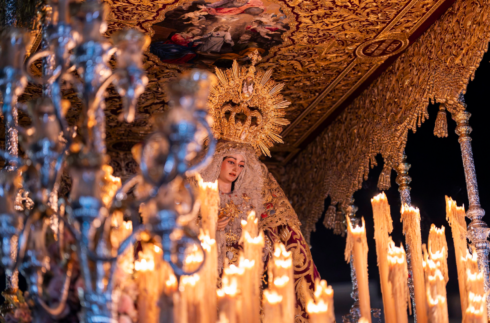
Even more impressive, they are carried on the shoulders of teams called hombres de trono.
One of the most famous moments arrives on Maundy Thursday in Malaga when the Spanish Foreign Legion participates in the ceremonial transfer of the Cristo de la Buena Muerte before the evening procession takes over the city centre.
Traditions unique to Malaga include the release of a prisoner from nearby Alhaurin jail.
A tradition that goes back three centuries.
READ MORE: Must-visit: ‘Underrated’ wine capital of Spain that ‘looks like Barcelona with fewer crowds’, according to The Mirror
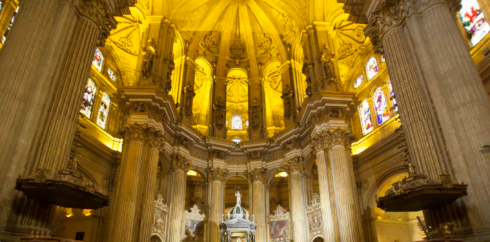
The main procession routes pass along Calle Larios, Alameda Principal, Plaza de la Marina, and the Malaga Cathedral.
In Marbella, the experience is more intimate.
Processions wind through the narrow streets of Old Town around the Iglesia de la Encarnacion and Plaza de los Naranjos.
Elsewhere in the region, smaller towns provide equally memorable settings.
READ MORE: ‘Cristiano loves going to Marbella’: Is the footballing legend eyeing an investment in Malaga?
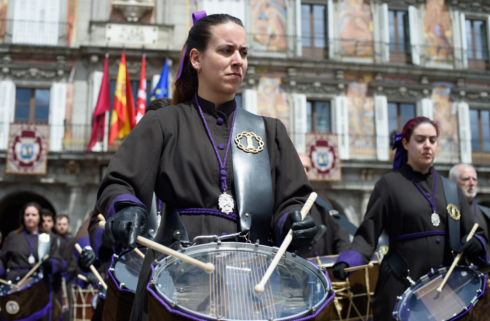
In Ronda, processions pass through historic cobbled streets and dramatic mountain scenery, with crowds gathering along Calle Virgen de la Paz, Puente Nuevo and Calle Arminan.
In nearby Arriate, things build up to fever pitch on Jueves Santo and Easter Saturday, where few other towns have a parade.
Meanwhile, in Setenil you will also find the famous Foreign Legion on Thursday from around midday.
Granada hosts atmospheric parades beneath the Alhambra and through the Albaicin.
READ MORE: Your chance to WIN tickets to see Britpop giants Primal Scream and the Charlatans alongside gourmet greats
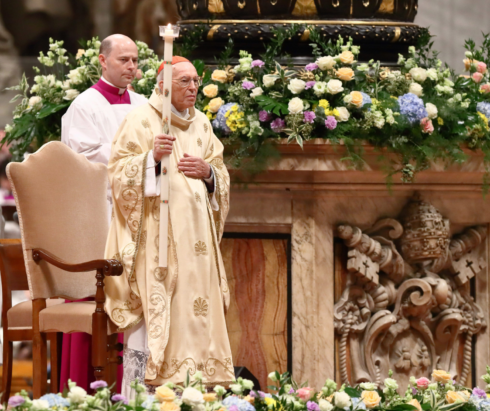
A special tradition occurs on Holy Wednesday during the Christ of the Gypsies procession, when bonfires are lit in the caves of Sacromonte.
Meanwhile Sevilla is widely regarded as hosting one of Spain’s most famous Semana Santa celebrations.
Its processions date back to the 16th century and involve more than 70 religious brotherhoods.
Baroque images of the Virgin – adorned with silver or gold crowns – are among the most recognisable symbols of the week.
READ MORE: Morrissey scraps Valencia concert over ‘lack of sleep’ blamed on noisy Fallas celebrations
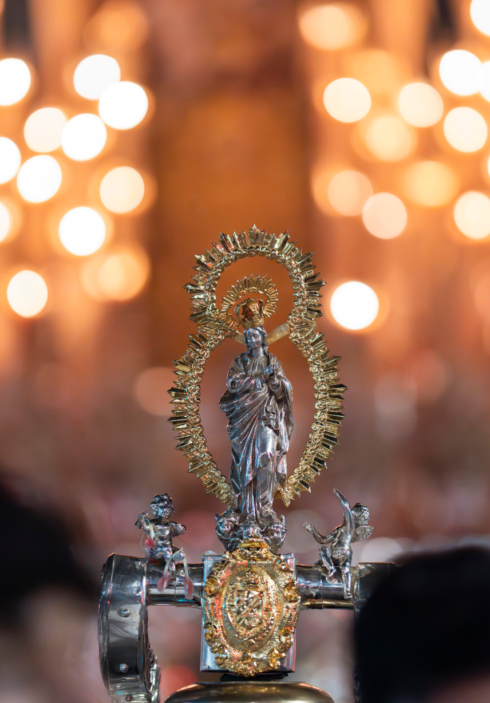
From Thursday into the early hours of Good Friday is the city’s most anticipated event: La Madruga.
Although only six brotherhoods partake in this procession, the intense night brings together thousands of participants.
Popular areas for seeing Holy Week in Sevilla include Plaza de la Campana, Calle Sierpes, and Sevilla Cathedral.
MADRID
While less theatrical than in southern Spain, Madrid presents a blend of religious tradition and culture.
READ MORE: The battle of the festivals: How Madrid and Barcelona have conquered the summer music scene – and are now going head-to-head
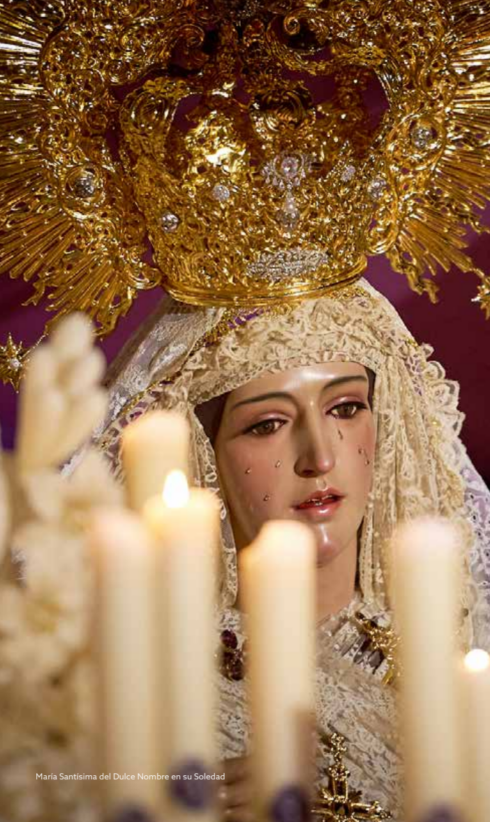
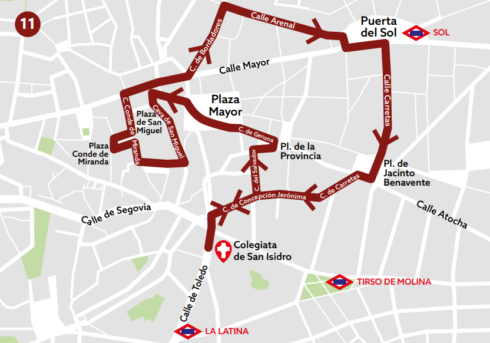
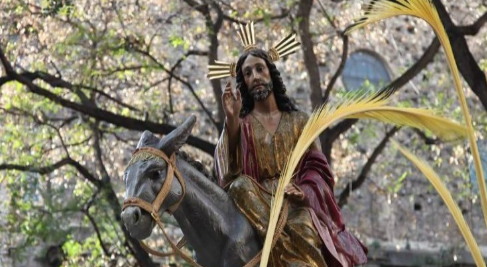
Processions take place in the capital from Palm Sunday through Easter Sunday, winding through the historic centre and passing the iconic Puerta del Sol.
Sculptures that typically spend most of the year inside churches are decorated with candles and transported through the streets by members of the brotherhoods.
Some of the best-known processions include Nuestro Padre Jesus del Gran Poder and La Soledad y Desamparo.
Beyond religious parades, Madrid’s Holy Week is packed with cultural events.
READ MORE: Gold Cup hero to headline Cheltenham preview night in Gibraltar ahead of the big festival
The city hosts an annual music series at the Church of San Gines. Traditional dishes like torrijas and ‘soldaditos de Pavia’ can be found in restaurants across town.
These cod and red pepper tapas are named after the colours of the regiment, the Hussars of Pavia, founded in 1684.
Celebrations conclude on Easter Sunday with the impressive tamborrada drum parade in Plaza Mayor.
READ MORE: Bryan Adams returns to Valencia with his ‘Roll With The Punches 2026’ tour
BARCELONA
Semana Santa in Barcelona offers a glimpse into Catalan Easter traditions.
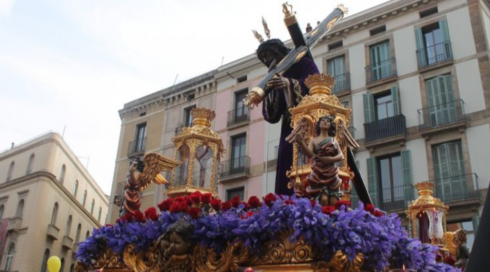
Although quieter than the south, Barcelona’s celebrations retain a strong community feel.
Processions take place on Palm Sunday and Good Friday in the historic area around the Gothic Quarter and Barcelona Cathedral.
Food plays a key role in these celebrations. A seasonal highlight is the Mona de Pascua, a colourful decorated cake traditionally given to children.
READ MORE: Lining up the legends – the world’s golfing stars are descending on Spain three times this year
Combined with the region’s mild spring weather and relaxed mood, Easter in Barcelona merges religious observance with family gatherings and local traditions.
VALENCIA AND ALICANTE
Along Spain’s Mediterranean coast, Semana Santa takes on a distinctive maritime character.
Valencia’s seaside neighbourhoods of El Garu, El Cabanyal and Canyamelar host the city’s Maritime Holy Week traditions, dating back to the 15th century.
Here the processions pass through fishing districts along the ocean, which gives the festivities a unique coastal setting.
READ MORE: Top court says ‘no grounds’ to try ex-president Carlos Mazon over handling of Valencia flood disaster
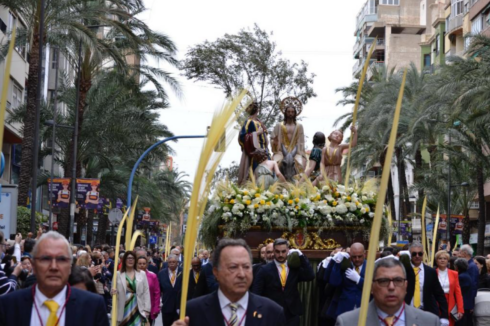
Good Friday starts with a tribute to sailors lost at sea, followed by a five-hour procession through the beachside neighbourhoods.
Easter Sunday ends in a colourful fashion as flower petals rain down from balconies.
Further south in Alicante, candlelit processions wind through the old town with intricate floats and traditional music.
Celebrations begin even before Palm Sunday with the arrival of the Cristo del Mar, known as the Christ of the Sea.
READ MORE: Woman sets fire to boyfriend in Spain after dousing him in fuel while he was sleeping
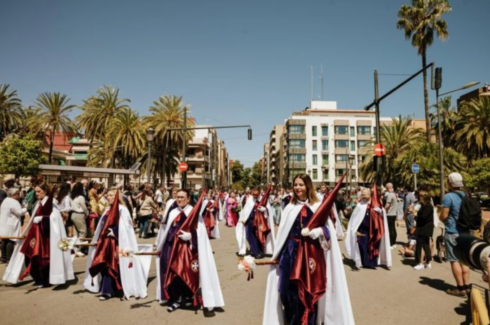
Over the next week, nearly 30 processions take place across the city.
Visitors can also catch the Lenten Gastronomic Days, a seasonal food festival to celebrate local dishes all during March.
And don’t miss one of Spain’s largest floats: the enormous paso representing The Last Supper.
Click here to read more Andalucia News from The Olive Press.